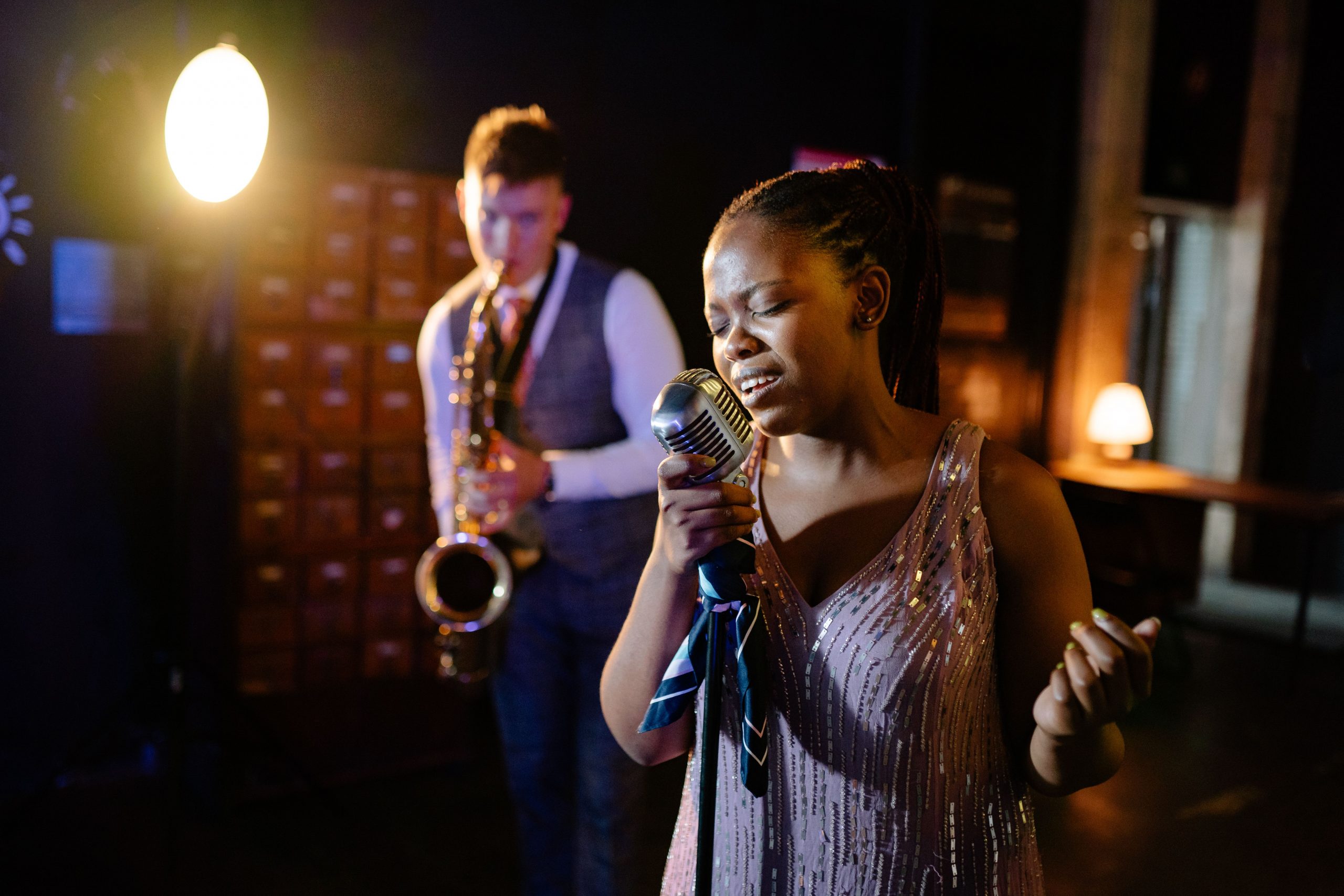
Soul music has produced some of the most powerful voices, unforgettable songs and influential artists in music history.
Emerging from the African-American musical traditions of gospel, rhythm and blues, soul became one of the defining sounds of the 20th century. From the raw intensity of Southern soul to the polished productions of Motown and the socially conscious music of the 1970s, the genre has constantly evolved while retaining its emotional heart.
Choosing the greatest soul artists is never going to be straightforward. There are simply too many extraordinary singers, musicians, songwriters and groups to choose from. However, some artists stand above the rest because of their influence, vocal ability, songwriting, cultural impact and lasting popularity.
Here are some of the greatest soul artists in music history that we came up with at Get A Tradesman.
Aretha Franklin
Any discussion of soul music has to begin with Aretha Franklin.
Known around the world as the Queen of Soul, Franklin possessed a voice that combined gospel power, technical control and extraordinary emotional depth.
Her recordings of “Respect,” “Think,” “Chain of Fools” and “(You Make Me Feel Like) A Natural Woman” became essential parts of popular music.
Franklin’s influence can still be heard in modern R&B, pop and soul, with generations of singers attempting to capture the power and emotion of her performances.
Marvin Gaye
Marvin Gaye demonstrated that soul music could be both commercially successful and socially important.
Initially known for romantic Motown recordings, Gaye’s music developed considerably during the 1970s. His landmark album What’s Going On addressed war, poverty, racism and social division while maintaining a sophisticated and accessible musical sound.
Songs such as “What’s Going On,” “Mercy Mercy Me” and “Inner City Blues” remain as relevant as ever.
Sam Cooke
Sam Cooke helped establish the blueprint for modern soul singing.
His smooth voice and exceptional songwriting ability allowed him to move between romantic ballads, gospel-inspired music and socially conscious material.
“A Change Is Gonna Come” became one of the defining songs associated with the American civil-rights era, while “You Send Me” and “Bring It On Home to Me” demonstrated his extraordinary versatility.
Cooke’s career was tragically cut short, but his influence remains enormous.
Otis Redding
If Aretha represented the power of soul, Otis Redding represented its raw emotion.
His voice could sound vulnerable, desperate and explosive, often within the same performance.
Recordings such as “Try a Little Tenderness,” “I’ve Been Loving You Too Long” and “These Arms of Mine” established Redding as one of Southern soul’s greatest performers.
His posthumous hit “(Sittin’ On) The Dock of the Bay” became one of his most famous recordings following his death in 1967.
Stevie Wonder
Stevie Wonder’s contribution to soul music goes far beyond his remarkable voice.
As a singer, songwriter, multi-instrumentalist and producer, Wonder continually pushed the genre into new territory.
His classic albums of the 1970s produced songs including “Superstition,” “Living for the City,” “Sir Duke” and “Isn’t She Lovely.”
Wonder successfully combined soul, funk, jazz, pop and sophisticated studio production, influencing musicians across multiple generations.
James Brown
James Brown changed the relationship between rhythm and soul.
The Godfather of Soul developed an intensely rhythmic style that would eventually help lay the foundations for funk and influence the development of hip-hop.
Songs including “Papa’s Got a Brand New Bag,” “I Got You (I Feel Good)” and “Cold Sweat” showcased his extraordinary energy and distinctive approach to rhythm.
His live performances were equally legendary, making Brown one of the most influential entertainers of the 20th century.
Al Green
Al Green brought a different kind of emotion to soul music.
His distinctive falsetto and intimate delivery made him one of the greatest interpreters of love songs in popular music.
“Let’s Stay Together,” “Tired of Being Alone” and “Love and Happiness” remain soul classics.
Green’s music successfully blended secular soul with the emotional intensity of gospel, creating a sound that remains hugely influential.
Curtis Mayfield
Curtis Mayfield proved that soul music could be socially conscious without losing its musical appeal.
As a member of The Impressions and later as a solo artist, Mayfield wrote about civil rights, poverty, racism and Black identity.
“People Get Ready” became an important civil-rights anthem, while his Super Fly soundtrack demonstrated how powerful socially aware soul could be.
Gladys Knight
Gladys Knight is one of soul’s great storytellers.
Whether performing with The Pips or as a solo artist, Knight possessed a voice that could combine strength, warmth and vulnerability.
“Midnight Train to Georgia,” “Neither One of Us” and “I’ve Got to Use My Imagination” remain among her best-known recordings.
Her ability to communicate the emotional meaning behind a lyric has made her one of the genre’s most respected vocalists.
Smokey Robinson
Smokey Robinson was one of the central figures in the development of the Motown sound.
As a singer, songwriter and producer, he helped establish a style of soul that was melodic, sophisticated and instantly accessible.
With The Miracles and through his solo career, Robinson wrote and performed numerous classics, including “The Tracks of My Tears,” “Shop Around” and “Tears of a Clown.”
His songwriting influence alone makes him one of soul’s most important figures.
Etta James
Etta James brought together blues, soul, R&B and rock with a voice that could be both powerful and vulnerable.
Her signature recording, “At Last,” has become one of the most recognisable love songs in popular music.
However, her catalogue goes much deeper, showcasing an artist capable of tackling everything from blues to gospel-influenced soul.
The Temptations
The Temptations helped define the sound and visual identity of Motown.
Their intricate harmonies, choreography and powerful lead vocals produced a remarkable series of recordings, including “My Girl,” “Papa Was a Rollin’ Stone” and “Ain’t Too Proud to Beg.”
Their ability to evolve with the changing musical landscape helped them remain relevant across multiple decades.
The Supremes
Led for much of their most successful period by Diana Ross, The Supremes became one of the most successful vocal groups in music history.
Their polished sound helped take Motown soul to an international audience, with hits including “You Can’t Hurry Love,” “Baby Love” and “Stop! In the Name of Love.”
Their success also helped pave the way for future generations of female artists.
Nina Simone
Nina Simone refused to be confined to one musical category.
A gifted pianist, songwriter and vocalist, Simone moved effortlessly between jazz, blues, folk, classical music and soul.
Her recordings of “Feeling Good,” “Sinnerman” and “I Put a Spell on You” demonstrate her extraordinary ability to turn songs into deeply personal performances.
She also used her music to address civil rights and social injustice, making her an important cultural figure as well as a remarkable musician.
The Legacy of Soul Music
The influence of these artists extends far beyond soul itself.
Modern R&B, hip-hop, pop, funk and even rock music have all borrowed heavily from the sounds, rhythms and vocal styles developed by soul musicians.
Perhaps the most important characteristic shared by the greatest soul artists is emotion. Whether singing about love, heartbreak, social injustice, faith or everyday life, they made listeners believe every word.
There will always be debate about who belongs at the top of any greatest-artists list. Names such as Diana Ross, Percy Sledge, Wilson Pickett, Donny Hathaway, Mavis Staples, Patti LaBelle and Luther Vandross could all make a compelling case.
But that debate is part of the fun.
Soul music has never been about one sound or one artist. It is a constantly evolving musical tradition built on feeling, expression and connection.
And decades after many of these recordings were first released, the greatest soul artists continue to prove that a great voice can never truly go out of fashion.